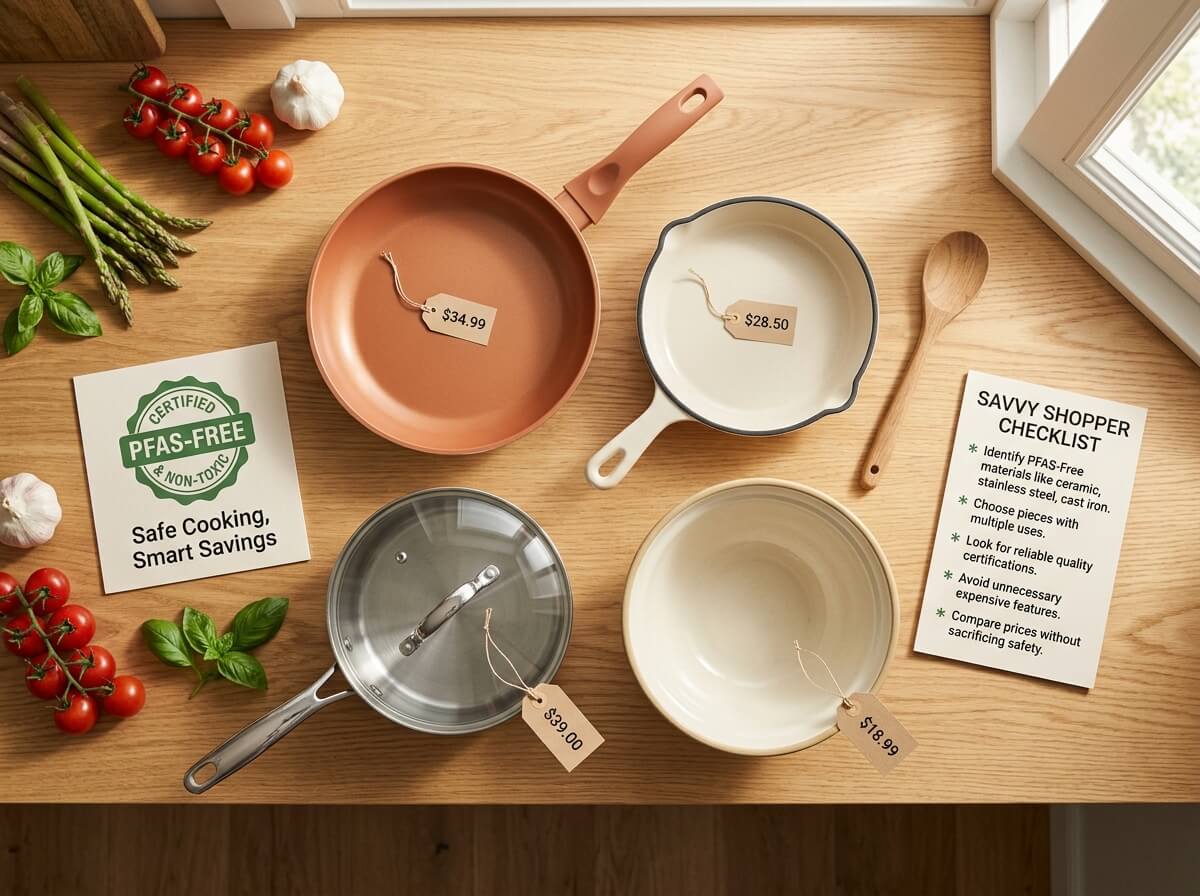
You don’t need to spend $400 on a Dutch oven to keep PFAS out of your kitchen.
A $30 cast iron skillet is genuinely safer than most mid-priced ceramic-coated sets, because it has no coating at all to wear off in the first place.
Price and safety track together less than most cookware marketing wants you to believe, and this guide breaks down exactly where the real safety-per-dollar sits.
What Does “Non-Toxic Cookware” Actually Mean?
“Non-toxic” isn’t a legal category; it’s shorthand for cookware that doesn’t rely on a chemical coating or leach heavy metals into your food under normal cooking conditions.
That definition matters because it applies just as well to a $25 stainless steel pan as it does to a $600 enameled Dutch oven.
PFAS, PTFE, and PFOA in Plain Terms
PFAS (per- and polyfluoroalkyl substances) is the umbrella term for a family of thousands of synthetic chemicals used to make surfaces water- and oil-repellent.
PTFE, better known by the brand name Teflon, is the specific PFAS compound used in most traditional nonstick coatings.
PFOA was a manufacturing chemical once used to produce PTFE; U.S. manufacturers phased it out of cookware production starting around 2013.
The distinction matters because a pan can be “PFOA-free” and still contain other PFAS compounds, which is exactly the gap that budget labeling tends to exploit.
Why “Non-Toxic” Isn’t a Regulated Label
No single U.S. agency certifies a pan as “non-toxic.” The FDA regulates food-contact materials generally, but there’s no dedicated stamp that verifies a “PFAS-free” claim on a box.
That means the label is only as good as the brand behind it. If you want to check a specific set you’re eyeing, here’s how to tell if cookware still contains PFAS before you buy it.
Why Non-Toxic Cookware Is Often Expensive — and Why It Doesn’t Have to Be
Price in this category tracks materials and marketing more than it tracks safety.
A stainless steel pan and a $500 ceramic-coated set can both be genuinely PFAS-free; the price gap mostly comes from construction quality, brand overhead, and coating technology, not from one being “more non-toxic” than the other.
What Actually Drives the Price Up
- Multi-ply, fully clad construction (like Made In or All-Clad) costs more to manufacture than single-layer stamped metal, and it’s what gives premium stainless sets their even heating.
- Proprietary ceramic coatings, like Caraway’s aluminum-backed nonstick or GreenPan’s Thermolon, require R&D and testing that get built into the retail price.
- Brand-funded third-party lab testing for PFAS, lead, and cadmium is a real cost, and brands that publish those results (as Caraway does through outside labs) tend to price accordingly.
- Design extras — matching lids, canvas storage systems, color lines — add cost without adding safety.
Is Expensive Cookware Actually Safer Than Budget Cookware?
No. A well-made $30 cast iron skillet is no less safe than a $500 ceramic set. In some respects, it’s safer, since there’s no coating to chip or degrade over time.
What extra money buys in premium cookware is usually better heat distribution, sturdier handles, and a longer coating lifespan on nonstick pieces, not a lower risk of chemical exposure.
If your priority is avoiding PFAS specifically, the cheapest coating-free materials do that job just as well as the expensive ones.
The Cheapest Genuinely Non-Toxic Materials
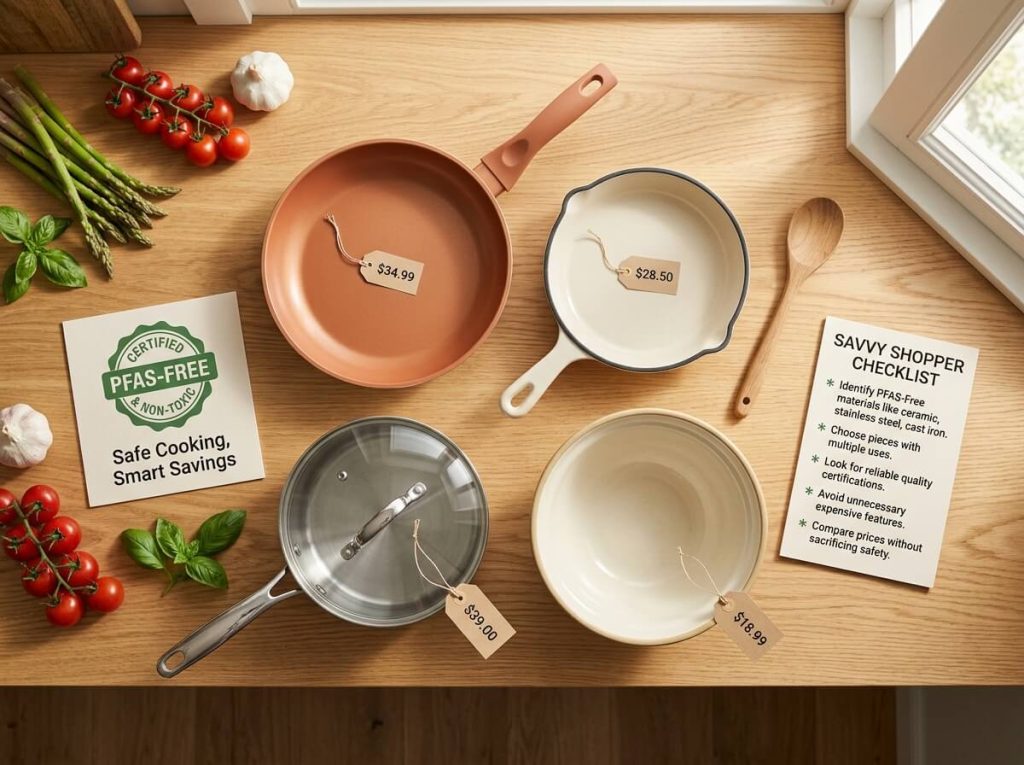
Coating-free materials are almost always the most budget-friendly path to non-toxic cooking, because you’re not paying for proprietary nonstick technology.
For a deeper breakdown of how these hold up against each other, see our ceramic vs cast iron cookware comparison guide or non-stick vs stainless steel cookware.
Cast Iron: The Lowest-Cost, Zero-Coating Option
Cast iron is iron and carbon, seasoned with oil, with nothing synthetic added at any point.
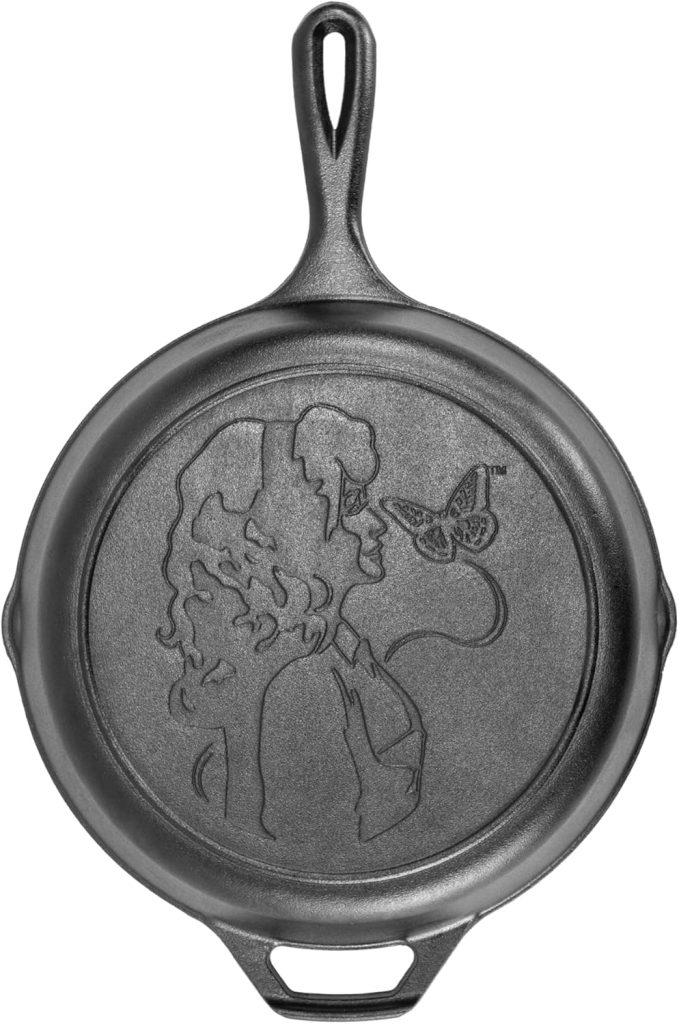
Lodge, the Tennessee foundry that’s been making cast iron since 1896, sells a pre-seasoned 10.25-inch skillet that ranks among the cheapest genuinely PFAS-free pans available, and the company backs its claims with third-party lab testing for PFAS, lead, and cadmium.
The tradeoff is weight and a small learning curve around seasoning, but there’s no coating to wear out, ever.
Stainless Steel and Glass: Coating-Free Budget Picks
- Basic 18/10 stainless steel pans have no coating at all, so there’s nothing to chip, scratch, or release into food, even at the lower end of the price range.
- Stainless steel does react to some acidic ingredients if you use it dry over very high heat, but this is a cooking-technique issue, not a safety one.
- Glass bakeware (Anchor Hocking is the most widely available U.S. brand) is inert and doesn’t interact with food at all, and it’s one of the cheapest ways to start swapping out toxic bakeware.
- None of these materials requires you to trust a proprietary coating formula, which is the main safety question mark in the budget ceramic category.
Best Budget Non-Toxic Cookware Picks by Material
| Material | Example Pick | Approx. Price | Coating? |
|---|---|---|---|
| Cast iron | Lodge 10.25″ Skillet | $20–35 | None |
| Stainless steel | Basic 18/10 stainless fry pan/set | $30–70 | None |
| Ceramic-coated | CAROTE or similar PFAS-free ceramic set | $40–90 | Yes (ceramic, not PTFE) |
| Glass bakeware | Anchor Hocking dish/set | $15–40 | None |
Best Budget Cast Iron Pick
Lodge remains the reference point in this category.
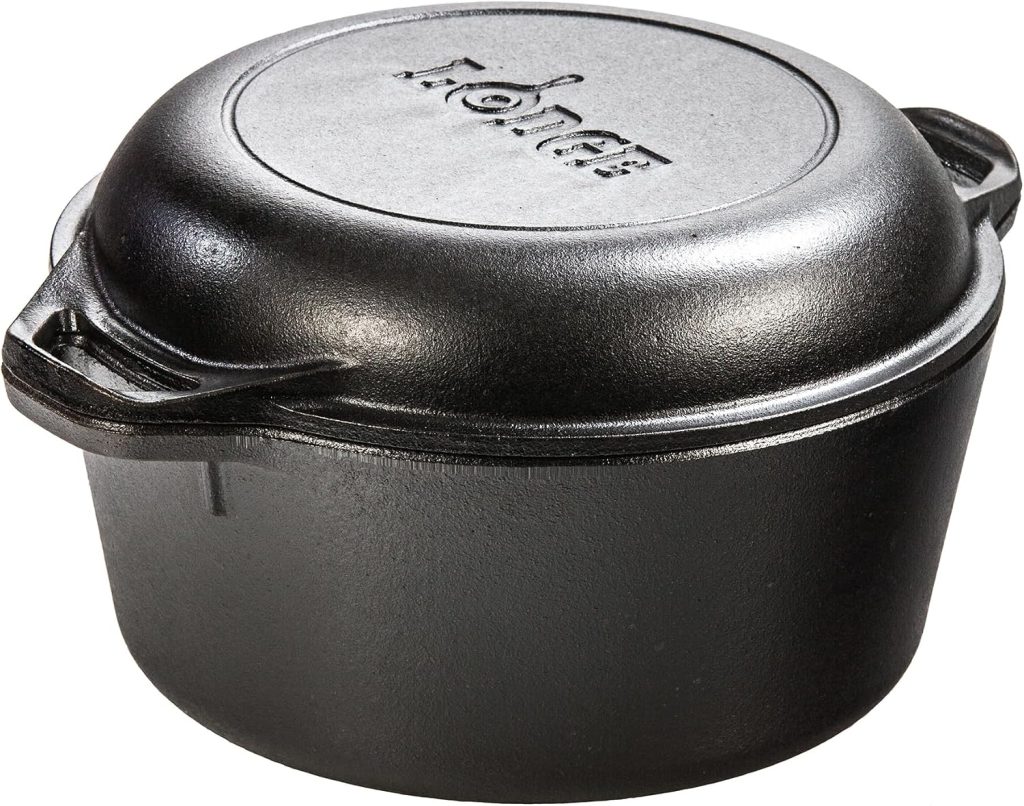
It’s pre-seasoned out of the box, oven-safe, and durable enough to outlast every ceramic-coated pan on the market by decades, all for less than most single ceramic frying pans cost.
Best Budget Stainless Steel Pick
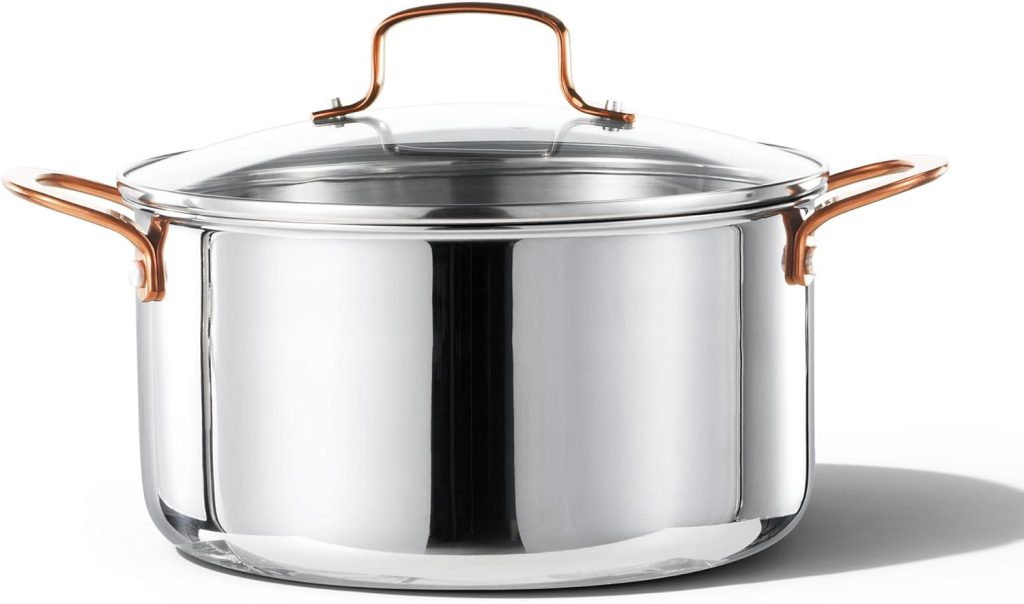
Look for 18/10 stainless with an aluminum or copper core for even heating; brands like Cuisinart and Tramontina sell entry sets in this range that skip the multi-ply premium construction but still deliver a genuinely coating-free, non-reactive cooking surface.
Best Budget Ceramic-Coated Pick
If you specifically want nonstick performance without seasoning cast iron, budget ceramic-coated lines from brands like CAROTE, GreenLife, or SENSARTE are typically formulated without PFAS, PFOA, PTFE, lead, or cadmium, according to their published specs.
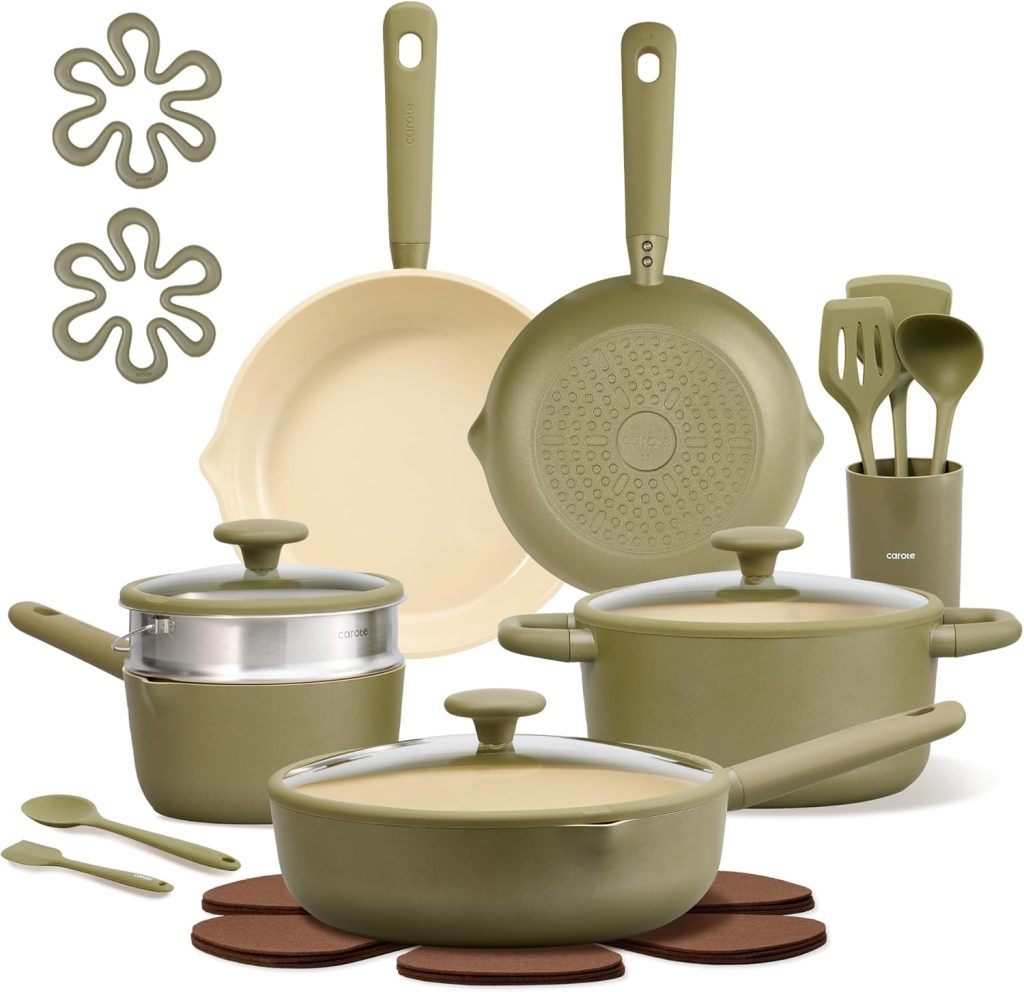
They won’t last as long as premium ceramic; expect noticeably reduced nonstick performance within a couple of years of regular use, but they’re a legitimate entry point.
If you’re deciding between two of the bigger names in this space, our Caraway vs GreenPan head-to-head comparison or Xtrema vs Caraway breaks down where the mid-tier ceramic options actually differ.
Budget Non-Toxic Cookware by Price Tier
| Price Tier | What You Get | Best For |
|---|---|---|
| Under $50 | Single cast-iron pan, basic stainless piece, or glass bakeware item | Testing the waters, one-pan cooking |
| $50–$150 | Small stainless or ceramic-coated set (3–5 pieces), better handles and lids | First full kitchen setup |
| $150+ | Multi-ply stainless sets, premium ceramic sets | Long-term investment is not required for safety |
Under $50
At this tier, focus on single pieces rather than sets. One Lodge skillet, one basic stainless saucepan, or a glass casserole dish covers a huge share of everyday cooking, and none of them involve a coating that can degrade.
$50–$150
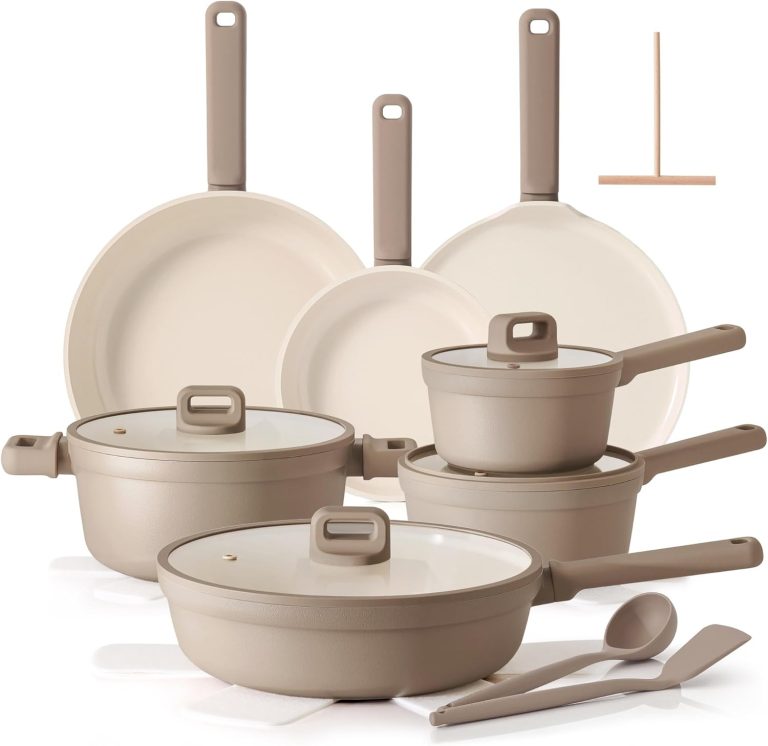
This is where small stainless and budget ceramic sets live, typically three to five pieces with lids included.
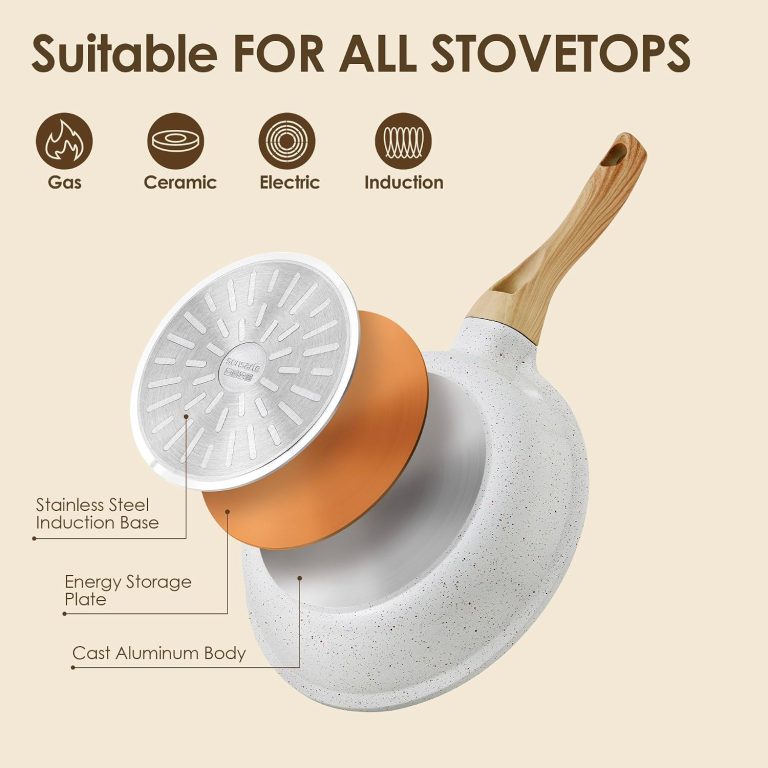
It’s also worth checking induction compatibility here, since not every budget set includes a magnetic base; our guide to best non-toxic cookware for induction stoves covers which budget materials actually work on induction cooktops.
Red Flags — When “Budget” Is Actually Just Cheap
Cheap and non-toxic aren’t opposites, but the sub-$50 category is exactly where vague labeling shows up most often.
Environmental Working Group senior scientist Tasha Stoiber has pointed out that a “PFOA-free” label doesn’t rule out other PFAS chemicals being used in the coating, and that gap is easiest to hide on the cheapest listings, where buyers are less likely to dig into the fine print.
Vague or Missing PFAS-Free Claims
- A listing that says only “non-stick” or “eco-friendly” without naming PFAS, PTFE, or PFOA specifically is a label to be skeptical of.
- Look for a named coating type (ceramic, ceramic-titanium, etc.) rather than a generic “healthy coating” description.
- Check whether the brand’s own website confirms the same claim as the marketplace listing; a mismatch is a warning sign.
- Be cautious of sets that lean entirely on stock photos and marketing copy with no material specification at all.
Coatings That Degrade Within a Year
A ceramic-coated pan under $50 will generally hold its nonstick surface for one to two years of regular use before scratches and dulling start to show.
That’s not automatically a safety problem; a scratched ceramic coating isn’t emitting PFAS the way a scratched PTFE coating can release fumes at high heat, but it does mean the “budget” price tag comes with a shorter real lifespan than the sticker suggests.
Budget Non-Toxic Cookware for Students and First Apartments
A full ten-piece set is overkill for most first kitchens. The goal here is coverage, not completeness; enough pieces to cook the majority of everyday meals without paying for extras you won’t use.
The Minimum Starter Set You Actually Need
- One 8- or 10-inch skillet (cast iron or ceramic-coated) for eggs, sautés, and one-pan meals.
- One 2- to 3-quart stainless saucepan with a lid for grains, sauces, and reheating.
- One glass or ceramic baking dish for roasting vegetables or baking casseroles.
- One stockpot only if you regularly cook pasta or soup for more than one person.
What to Skip When Money’s Tight
- Matching lid systems and branded storage racks look nice, but add cost without improving safety or performance.
- Specialty pieces like woks, crepe pans, or paella pans rarely justify their price for a first apartment.
- Large multi-piece sets often include duplicate sizes you won’t use; buying two or three individual pieces is usually cheaper and more practical.
Once you understand why the price tag on non-toxic cookware varies so much, the next natural question is whether that price actually buys you anything beyond aesthetics and convenience.
Our full breakdown of why non-toxic cookware is so expensive walks through the manufacturing, testing, and brand-markup factors in more detail, including why some of the priciest sets on the market aren’t meaningfully safer than the budget picks above.
Frequently Asked Questions
Is cheap, non-toxic cookware actually safe?
Yes, as long as the material and coating are verified PFAS-free, the price alone doesn’t determine safety.
A $25 stainless steel pan or a $30 cast iron skillet has no coating to leach chemicals at all, which puts it on equal footing with cookware costing ten times as much.
The risk with cheap cookware isn’t the price; it’s vague labeling that doesn’t specify what coating, if any, is actually used.
Checking the material and the specific PFAS-free claim matters far more than checking the price tag.
What’s the cheapest genuinely non-toxic cookware material?
Cast iron is typically the cheapest material that’s genuinely non-toxic, often available for $20 to $35 for a single skillet.
It contains no synthetic coating of any kind, so there’s nothing to degrade or leach over years of use.
Stainless steel and glass bakeware are close runners-up, both similarly coating-free and available at low price points, though cast iron usually wins on sheer cost-per-pan.
Do I need to spend a lot to switch to non-toxic cookware?
No, you can build a fully non-toxic starter kitchen for under $150 total.
A cast iron skillet, a basic stainless saucepan, and a glass baking dish cover the majority of everyday cooking and all skip synthetic coatings entirely.
Spending more buys you extras like better heat distribution, sturdier handles, and longer-lasting nonstick surfaces, but none of that is required to avoid PFAS exposure in the first place.
If you’re building out a full kitchen rather than starting with one or two pieces, our complete non-toxic cookware buying guide covers every price tier and material in more depth.